Streetwear Graphic Design: Making Urban Style Cool Again
There's a specific energy to streetwear that's hard to pin down, but you know it when you see it. It’s a blend of counter-culture, music, and high fashion that has carved out its own visual language. For a while, it felt like the raw, DIY aesthetic was being smoothed over, but recently, there's been a powerful resurgence. The focus is back on bold, expressive, and authentic graphics that capture the spirit of the streets. This isn't just about clothing; it's about a mindset, and the designs are finally cool again in a way that feels both nostalgic and fresh.
The Anatomy of a Modern Streetwear Aesthetic
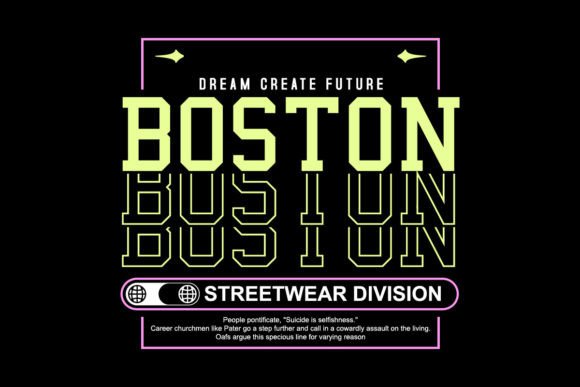
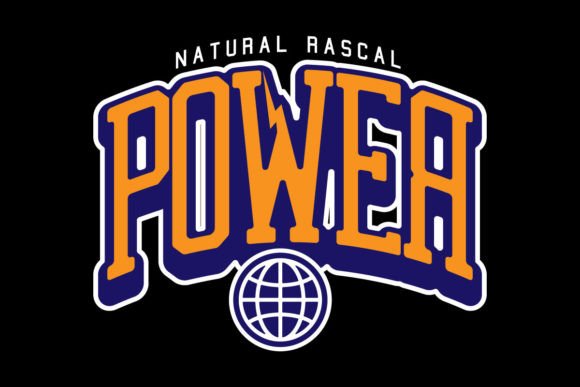
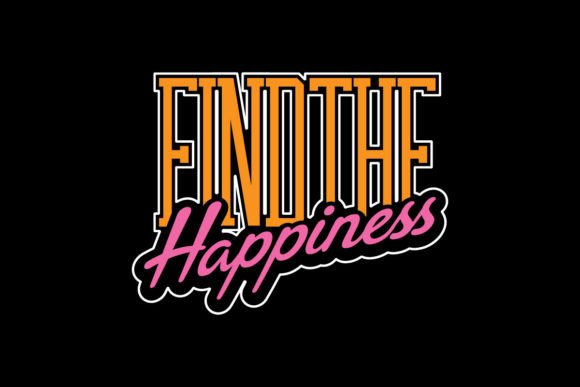
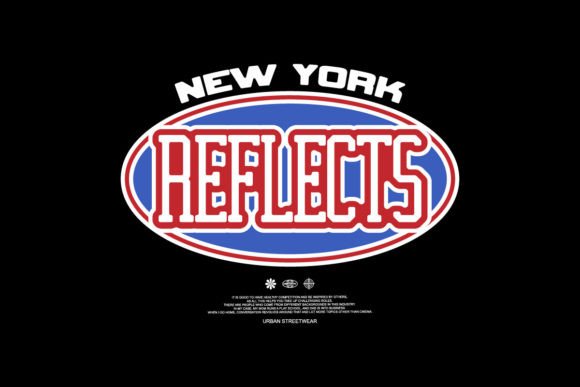
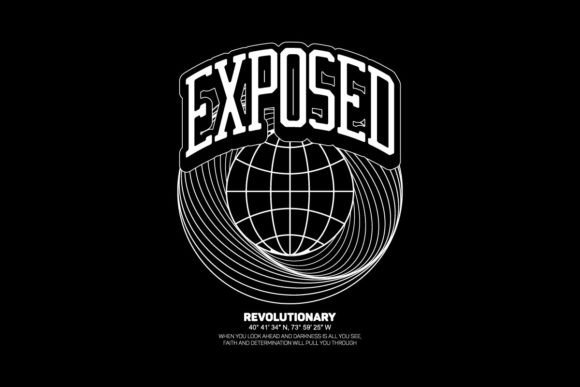
What defines this renewed interest in streetwear graphic design? It's a move away from minimalism and towards maximalism with purpose. Think thick, confident lines, distorted typography, and motifs that blend the gritty with the surreal. You'll see a mix of hand-drawn illustrations with sharp, vector-based elements, creating a texture that feels layered and intentional. The color palettes are often bold, sometimes clashing, but always deliberate—used to make a statement rather than just to look pretty. This style has a personality that's unapologetic, a little rebellious, and deeply connected to music, skate culture, and urban art. It’s this raw authenticity that makes a collection like our Streetwear T-shirt Designs so compelling. They aren't just graphics; they're fragments of a culture, ready to be customized.
From Screen to Street: Real-World Applications
The true power of a strong streetwear graphic design package lies in its versatility. This isn't a one-trick pony. For a small clothing brand launching its first line, these designs are a goldmine. You're not just buying a single image; you're getting a 100% vector source file in EPS format. This means you can take that core illustration, scale it for the front of a hoodie, adapt a detail for a sleeve print, or create a pattern for an all-over sublimation design—all without a single pixel of quality lost. The included high-resolution JPG is perfect for mockups and social media teasers.
Beyond apparel, think about the broader merchandise landscape. A striking graphic from this collection can become the centerpiece of a sticker pack, a bold print on a tote bag, or the defining image on a skateboard deck. For content creators and bloggers, it can become the visual anchor for a YouTube channel banner or a series of Instagram posts, building a cohesive and recognizable brand identity. The ability to easily edit, recolor, and remove or add elements in any vector software like Adobe Illustrator or Affinity Designer means you're not stuck with a static asset. You're investing in a creative toolkit that adapts to your vision.
Integrating Bold Graphics into Your Brand Strategy
Choosing to incorporate a streetwear graphic design style is a strategic decision that influences how your audience perceives you. It communicates a brand that is contemporary, culturally aware, and not afraid to stand out. When used on merchandise, it transforms a simple product into a piece of wearable art, increasing its perceived value and appeal. For a small business owner, this can be a game-changer for creating products that actually resonate and sell.
However, context is everything. A loud, intricate design might be perfect for a festival poster or a limited-edition drop, but it could overwhelm a business card or a small website icon. The key is to use these design assets thoughtfully. Consider using a single, powerful element as a focal point for your packaging design or pairing a busy graphic with clean, sans-serif typography for your web design to maintain balance and readability. The goal is to harness the energy of the streetwear aesthetic without sacrificing clarity or professionalism.
A Practical Guide to Working with Streetwear Design Assets
When you get your hands on a collection like this, the first step is to unzip the files and explore what's inside. Open the EPS vector file in your preferred software. Get familiar with the layers; often, elements are separated, allowing you to isolate a skull, a banner, or a piece of lettering. This modularity is your greatest asset. Start by experimenting with recoloring. A design in black and white might take on a completely different character in neon pink or earthy tones. Then, think about composition. Can you combine elements from two different designs in the pack to create something new?
For those focused on logo design, a streetwear graphic can serve as a powerful starting point. You might extract a unique shape or a stylized letter to build a custom logomark around. The key is to ensure the final result is unique to your brand. When it comes to font pairing, if the graphic includes typography, be mindful of it. Does it clash or complement your chosen brand font? Sometimes, using the graphic's type as a secondary accent works better than making it the primary headline. Always test your final designs on mockups—on a t-shirt, a mug, or a phone case—to see how it feels in a real-world context. This practical, hands-on approach is what separates good design from great design, allowing you to leverage these assets to build a brand that feels both cool and authentically yours.